
Romania and Bulgaria Join the Schengen Zone After 13 Years of Waiting
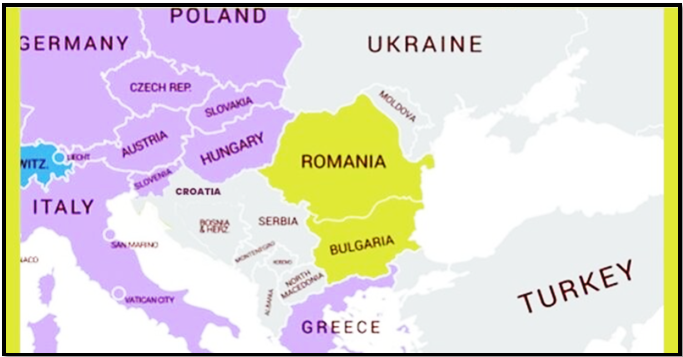
Dublin: After more than a decade of anticipation, Romania and Bulgaria have been granted full membership in the Schengen Zone, adding two Eastern European countries to the borderless travel area. This historic expansion increases the Schengen Zone to 29 member states, encompassing over 400 million people.
The announcement was made at midnight last night (10 PM Irish time) and was marked by official ceremonies at various border posts. The enlargement became possible when Austria and other EU member states dropped their longstanding opposition to the inclusion of Romania and Bulgaria.
A Historic Milestone
Romania, with a population of 19 million, and Bulgaria, home to 6.5 million people, are celebrating this landmark decision. Lorry drivers, who previously endured up to 20-hour waits at borders, can now cross freely within minutes. The tourism sector is also expected to benefit significantly, with visa-free travel anticipated to boost visitor numbers.
The inclusion of these two countries was a long time coming. Despite meeting the Schengen Zone’s technical requirements for membership as far back as 2011, Romania and Bulgaria faced repeated resistance from certain EU members. Austria, in particular, had voiced concerns over undocumented migrants entering its territory due to what it described as poorly guarded external Schengen borders.
Temporary Border Measures
While the borderless Schengen area now extends further east, temporary six-month controls will be implemented at Bulgaria’s land crossings with Turkey. EU member states remain cautious about non-Schengen nationals, particularly from Turkey, entering through these borders.
Overcoming a Decade of Obstacles
Romania and Bulgaria have been partial members of the EU since 2007, but border checks at ports and airports persisted due to Austria’s veto threats. The deadlock was resolved in December, when Austria withdrew its veto following an agreement with Romania and Bulgaria on a comprehensive border protection package.
The Growing Schengen Zone
The Schengen Zone, created in 1985, now includes 25 of the EU’s 27 members, along with Switzerland, Norway, Iceland, and Liechtenstein. Ireland and Cyprus remain outside the Schengen Zone.
Irish Samachar English News
{OR} Kindly click to follow the Irish Samachar News channel on WhatsApp
Comments are closed.