
Ireland Confirms First Jihadist-Inspired Terror Attack in Europol Report
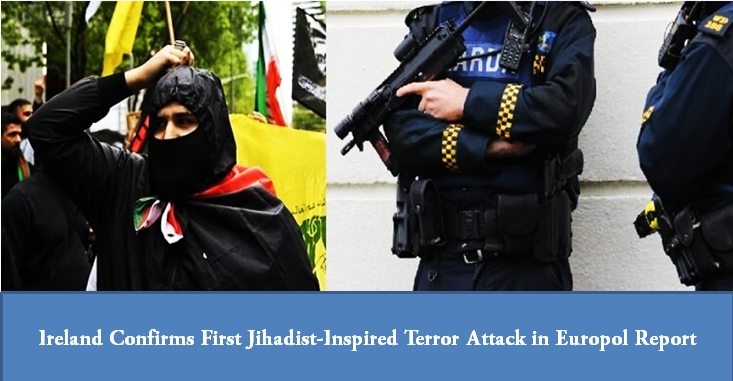
Dublin: For the first time, a jihadist-inspired attack in Ireland has been officially acknowledged by national authorities and included in the European Union’s annual terrorism report. Gardaí confirmed that an attempted stabbing of a Defence Forces chaplain in Galway last August was classified as a jihadist terrorist act.
The attack, carried out by a 16-year-old male, targeted Fr. Paul Murphy of Renmore Barracks. The assailant used an eight-inch hunting knife to stab the priest through a partially open car window while he was driving. Fr. Murphy was injured in the incident.
The European Union Terrorism Situation and Trend Report (TE-SAT) 2025, published by Europol, lists this incident as part of a series of Islamist-inspired attacks across member states. Europol Executive Director Catherine De Bolle stated that terrorism and violent extremism remain significant threats to the safety and security of EU citizens.
The perpetrator, who had converted to Islam at age 15, was found to have consumed online extremist content, including execution videos and material featuring Mohammed Emwazi—also known as “Jihadi John”—a British national infamous for beheading hostages in Syria.
Though the teenager was sentenced to eight years for attempted murder, no formal terrorism charges were filed, likely due to his age. He had reportedly received some form of online terrorist training prior to the attack.
EU-Wide Findings
According to Europol, 55 terrorist attacks occurred in 14 EU member states last year, including 19 foiled plots. Of these, 24 were linked to jihadist extremism, with five fatalities and 18 injuries. The majority of the attacks were carried out by lone actors. Arrests related to terrorism are on the rise, the report notes.
Ongoing Debate Over Migration and Security
The inclusion of the Galway incident in the EU terror report has reignited national debate around Ireland’s migration policies and refugee system. Some commentators and members of the public have raised concerns about the processes by which asylum seekers are admitted and supported, particularly around identity verification and the speed of processing entitlements.
Critics have expressed concern that current systems may be vulnerable to abuse and that clearer distinctions need to be made between economic migrants and those seeking international protection. However, human rights organisations and immigration experts caution against conflating security risks with refugee status or religious background, warning that doing so risks stigmatising entire communities.
Ireland’s Refugee System Explained
Under current Irish law, asylum seekers may apply for protection through the International Protection Office (IPO). Once a claim is made, applicants are typically provided with temporary accommodation and a weekly allowance while their case is processed. If their application is approved, they may receive a Stamp 4 immigration permission, granting them the right to work and reside in Ireland.
In contrast, economic migrants typically secure employment permits or residency based on qualifications, sponsorship, or investment, often requiring a longer waiting period for permanent status or citizenship.
While concerns about national security are legitimate, officials stress the importance of maintaining a balanced and evidence-based approach to immigration policy. The Department of Justice has reiterated its commitment to both protecting Ireland’s security and upholding its obligations under international law to those fleeing persecution.
Irish Samachar English News
{OR} Kindly click to follow the Irish Samachar News channel on WhatsApp
Comments are closed.