
Number of Asylum Seekers Receiving Daily Expenses Allowance Rises to 7,000
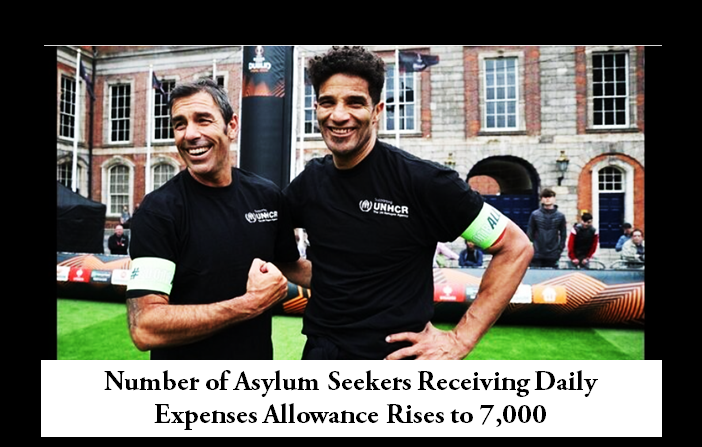
Dublin: The number of asylum seekers in Ireland receiving the Daily Expenses Allowance (DEA) has increased to 7,000, according to a new report from the Central Statistics Office (CSO). The CSO noted that the number of beneficiaries is expected to grow in line with rising applications for international protection.
In 2023, more than 18,500 people sought asylum in Ireland. This year, however, applications have fallen by almost 40%, the report said.
Not all asylum seekers qualify for the allowance. Those living in direct provision who are permitted to work and earn a sufficient income do not receive DEA. The weekly payment, intended to cover personal expenses for those living in Direct Provision Accommodation/International Protection Accommodation Services (IPAS), is set at €38.80 per adult and €29.80 per child.
The data shows that the majority of recipients are men, with over 60% male across 2022, 2023, and 2024. Nearly half (48%) of recipients are aged 25–44, while 23% are children under 15.
Last year, hundreds of new arrivals from Nigeria, Jordan, Somalia, and Pakistan began receiving DEA. In previous years, more than 1,000 beneficiaries were from Algeria and Georgia.
Encouragingly, 77% of first-time DEA recipients in 2022 found employment by 2023. Since 2021, asylum seekers have been allowed to work after a reduced waiting period of six months, down from nine. Employment outcomes, however, show a gender gap: 75% or more of men secured jobs in 2021–2023, compared with 53–65% of women.
HIQA Raises Concerns Over Living Conditions in Refugee Centres
The Health Information and Quality Authority (HIQA) has raised concerns about the adequacy of facilities in refugee accommodation centres, publishing six inspection reports that highlighted issues of overcrowding, lack of privacy, and limited services.
At one IPAS centre, inspectors found 11 families where children over the age of 10 shared rooms with their parents. The Dublin-based centre housed 231 residents, including 60 children, with cramped living quarters divided only by wardrobes. In some cases, three teenagers shared bunk beds on one side of a partition, while their parents slept on a double bed on the other side.
Although these rooms met national space requirements, HIQA concluded that such arrangements compromised residents’ dignity and privacy, contravening provisions of the Housing Act 1966.
The reports also highlighted insufficient cooking facilities, limited access to healthcare and social supports, and inadequate opportunities for community integration. In addition, HIQA found that some centre management teams were unaware of their obligation to report security incidents, raising concerns about safety oversight.
The findings add to growing calls for the government to reform the Direct Provision system and improve conditions for those seeking international protection in Ireland.
Irish Samachar English News
Comments are closed.