
Ireland Faces Healthcare Staffing Crisis as Medical Professionals Emigrate in Record Numbers
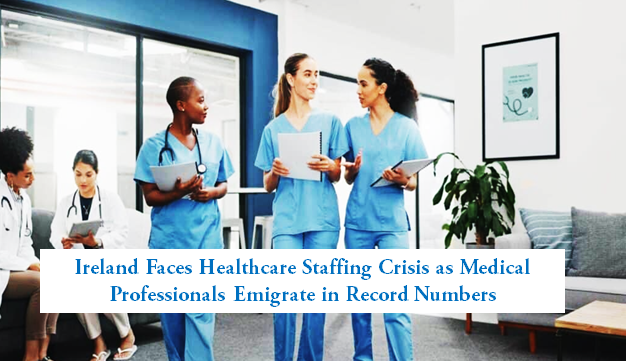
Dublin: Ireland’s healthcare system is facing mounting pressure as increasing numbers of medical professionals leave the country, raising concerns about long-term sustainability and workforce shortages.
Recent data from the Australian Health Practitioner Regulation Agency (AHPRA) shows that nearly 7,000 Irish healthcare workers—including doctors, nurses, midwives, and allied health professionals—have registered in Australia over the past six years. This represents an 86% increase, rising from 3,735 in 2019 to 6,959 today.
The figures highlight a growing reliance on international recruitment, particularly from countries such as India and the Philippines, to sustain Ireland’s healthcare services. Experts warn that without foreign workers, the system could face a severe crisis.
Drivers Behind the Exodus
Multiple factors are contributing to the continued emigration of Irish healthcare professionals. These include the ongoing housing shortage, the rising cost of living, and concerns over workforce planning within the Health Service Executive (HSE). A recruitment freeze introduced in October 2023 for nurses, midwives, and junior doctors has further intensified frustrations.
Despite this freeze, international hiring continued into 2024, with an estimated 1,400 positions in nursing, midwifery, and health and social care filled by overseas recruits during that period. Critics argue that long-standing structural issues—highlighted by professionals for over a decade—remain unaddressed.
At the same time, countries like Australia are actively attracting Irish healthcare workers with competitive incentives. For instance, South Australia has offered relocation packages worth up to €8,800 to incoming medical staff.
Warnings and Long-Term Trends
The Irish Medical Organisation (IMO) has repeatedly warned that recruitment restrictions and poor retention strategies are accelerating emigration. The organisation notes that similar trends were observed as far back as 2010, when large numbers of Irish-trained nurses moved abroad, including to the UK’s National Health Service.
Research from the Royal College of Surgeons in Ireland (RCSI) indicates that only one in three doctors who emigrate plan to return, underscoring the long-term impact of workforce losses.
Reliance on International Recruitment
Since 2001, Ireland has recruited approximately 12,000 nurses from overseas, including significant numbers from India and the Philippines. Recruitment costs have exceeded €7,500 per nurse, with total spending reaching around €90 million. However, retention remains a challenge, as some recruits eventually leave due to high living costs and housing difficulties.
In the past two years alone, more than 10,000 nurses have registered in Ireland, with roughly half coming from abroad. Around 4,000 of these are Indian nurses, many of whom arrived after the recruitment freeze. Authorities acknowledge that Ireland’s healthcare system is increasingly dependent on such international talent.
Broader Economic Pressures
The healthcare staffing crisis is unfolding alongside wider economic challenges. Rising housing costs and limited supply—exacerbated by population growth and increased demand—are affecting both local and migrant workers. These pressures are contributing to longer waiting times and increased strain on public services, including healthcare, education, and housing.
Ongoing Recruitment Efforts
Despite the challenges, recruitment efforts in the healthcare sector remain active. Both public and private hospitals, as well as nursing homes, continue to seek qualified professionals, offering support to candidates who have received decisions from the Nursing and Midwifery Board of Ireland.
Those interested can send their CV to [email protected].
Irish Samachar English News
Comments are closed.