
Denial of Humanitarian Aid to Children in Conflict Zones Rises 16-Fold
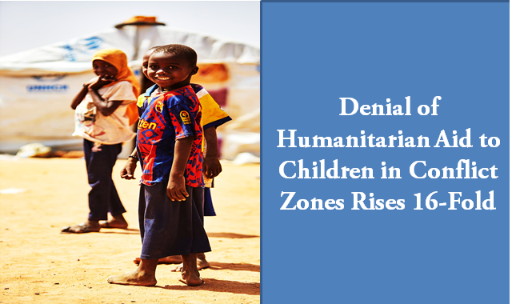
The deliberate restriction of humanitarian assistance to children in conflict zones has increased dramatically, rising 16-fold over the past decade, according to a new analysis by Save the Children.
The study, based on UN-verified incidents, found that cases of children being denied access to essential aid increased from 509 in 2015 to 8,322 last year. Such violations now account for more than one-fifth of all recorded violations against children in conflicts, compared with just 2% a decade ago.
The occupied Palestinian territory recorded the highest number of incidents, with nearly 6,000 cases, followed by Libya with more than 1,000 and Ukraine with 473. In Gaza, almost 90% of verified incidents were attributed to Israeli authorities, according to the analysis.
Save the Children warned that blocking food, medicines, shelter and other essential supplies is increasingly being used as a tactic of warfare. The organisation also highlighted severe restrictions on aid deliveries in Sudan and Yemen, where conflict and blockades have left millions facing shortages of basic necessities.
The report further noted that nearly 589 million children worldwide are living in conflict-affected areas, the highest figure recorded since 1990.
Save the Children’s humanitarian advocacy chief, Orlaith Minogue, said children were bearing the consequences of conflicts and climate-related disasters beyond their control. She urged governments, particularly the UK, to use their influence to ensure humanitarian assistance reaches children in need.
The organisation called for stronger international cooperation and unrestricted humanitarian access to protect children caught in armed conflicts.
Irish Samachar English News