
EU Introduces Mandatory AI Content Labels Across Social Media
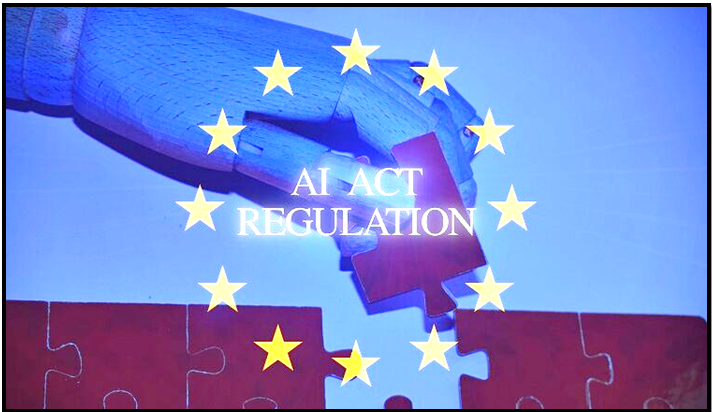
Brussels: New European Union transparency rules requiring AI-generated content to be clearly labelled on social media platforms will come into effect from Sunday, marking another phase in the implementation of the EU’s landmark Artificial Intelligence Act.
Under the new rules, companies must clearly identify content created or significantly altered using artificial intelligence, enabling users to distinguish between authentic and AI-generated material. AI systems, including chatbots, must also inform users that they are interacting with artificial intelligence.
The regulations require AI-generated text, images, audio and videos to include labels or digital markers, such as watermarks, to improve transparency. Companies that fail to comply could face substantial financial penalties. Existing AI systems have until 2 December 2026 to fully comply with the new requirements.
The EU has provided exemptions for artistic, satirical, fictional and creative works. However, deepfakes and AI-generated content related to matters of public interest must be clearly identifiable, even where there is no human editorial oversight.
EU officials say the measures are aimed at tackling the growing spread of misinformation and helping citizens distinguish between genuine and AI-generated content as the technology becomes increasingly sophisticated.
Several major technology companies have already introduced similar measures. TikTok requires creators to label AI-generated content, while Meta displays “AI Info” labels on Facebook and Instagram. Google has also signed the EU’s voluntary AI Code of Conduct and is collaborating with industry partners on digital content authentication tools.
However, some industry representatives have warned that the new regulations could increase compliance costs and create additional challenges for businesses operating in the AI sector.
Irish Samachar English News
Comments are closed.