
Trump Signals Possible De-escalation in Iran Conflict
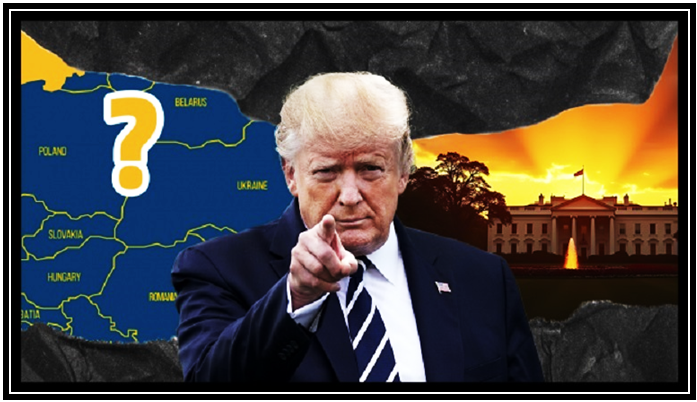
Washington, D.C.: Donald Trump has indicated that the United States is considering scaling back its military involvement in the conflict with Iran, even as the administration weighs plans to seek congressional approval for deploying additional troops and naval assets to the Middle East, along with requesting billions of dollars in war funding.
The evolving situation comes against the backdrop of heightened tensions in the Strait of Hormuz, a critical global oil transit route through which nearly 20% of the world’s petroleum supply passes. Recent developments involving Iran in the region have contributed to a surge in global fuel prices and volatility in financial markets, including a sharp decline in U.S. stock indices.
Domestic political and economic pressures are also influencing the administration’s stance. Concerns within the Republican Party over the economic fallout ahead of the November midterm elections, coupled with rising oil prices, are believed to be key factors behind Trump’s consideration of de-escalation. In a series of social media posts, Trump suggested that the U.S. may reconsider its military engagement in response to what he described as actions by Iran’s regime.
However, his statements have been marked by inconsistency. While signalling a potential end to military operations, Trump has simultaneously moved to strengthen the U.S. military presence in the region. He also made ambiguous remarks regarding the protection of the Strait of Hormuz, suggesting that responsibility should fall to other nations that depend on the route, rather than the United States.
The mixed messaging extends to relations with allies. Despite expressions of support from countries including the United Kingdom, Germany, France, Italy, Netherlands, and Japan, Trump has offered limited direct response. He also criticised NATO for not providing naval escorts for oil tankers in the Strait, suggesting that allied nations could assume a greater role.
Meanwhile, the UK government has indicated that British military bases could be used to target missile systems threatening shipping routes in the region. Trump, however, described the move as delayed and expressed dissatisfaction with the pace of the UK’s response.
On the Iranian side, Abbas Araghchi warned that increased Western involvement could endanger lives and escalate the conflict further. He also suggested that public opinion in the UK does not favour participation in a broader military confrontation involving Iran.
In a further twist, Trump’s remarks about potentially reducing combat operations came shortly after he rejected the idea of a ceasefire, stating that such a measure would be unnecessary if the opposing side were decisively defeated. He also declined to confirm reports that the U.S. was considering targeting Kharg Island, a key component of Iran’s oil infrastructure.
Earlier reports from U.S. media indicated that approximately 2,500 Marines had already been deployed to the region aboard three naval vessels, underscoring the continued military buildup even as diplomatic signals remain uncertain.
Irish Samachar English News
Comments are closed.